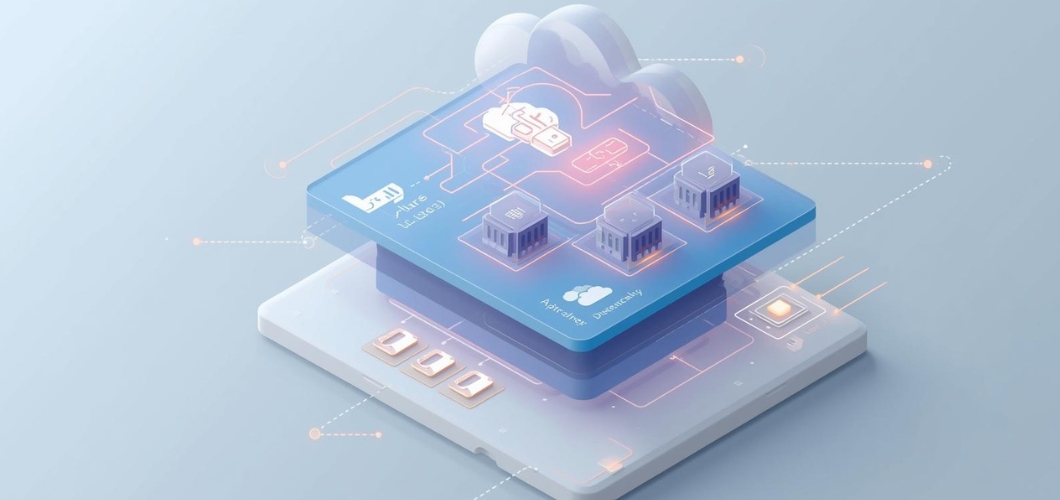

Legacy infrastructure often slows innovation, increases maintenance costs, and limits scalability. Many enterprises still rely on aging systems that lack integration capabilities, automation, and real-time data access. As digital expectations accelerate, organizations must rethink how they build, deploy, and manage applications. This is where cloud-based web solutions become critical. By transitioning to flexible, scalable cloud architectures, businesses unlock agility, resilience, and long-term growth potential.
Modernization is no longer optional. Enterprises that adopt cloud-based web solutions gain the ability to innovate faster, reduce operational overhead, and support evolving customer demands.
Why Legacy Infrastructure Holds Back Growth
Before exploring modernization strategies, it is important to understand the risks of maintaining outdated systems.
Legacy environments often rely on monolithic architectures, manual deployments, and fragmented integrations. These limitations result in:
- Slow release cycles
- High infrastructure maintenance costs
- Security vulnerabilities
- Limited scalability
- Poor user experience
Such constraints reduce competitiveness in markets where agility defines success. Organizations must shift from reactive maintenance to proactive transformation.
How Cloud-Based Web Solutions Enable Infrastructure Transformation
Modernization requires more than migrating workloads—it demands architectural evolution.
Cloud-based web solutions replace rigid infrastructure with dynamic, service-oriented environments. By leveraging cloud platforms, enterprises can:
- Deploy applications faster using containerization and microservices
- Scale resources automatically based on demand
- Integrate APIs seamlessly across systems
- Strengthen security through centralized governance
This shift reduces dependency on on-premise hardware and empowers teams to focus on innovation instead of system upkeep.
Enhancing Scalability and Performance Through Cloud Architecture
Scalability is one of the strongest drivers of modernization.
Traditional infrastructure requires manual provisioning when traffic increases, often leading to downtime or performance bottlenecks. In contrast, cloud-based web solutions use auto-scaling, load balancing, and distributed computing to ensure consistent performance during peak demand.
This elasticity supports global expansion, seasonal traffic fluctuations, and high-performance applications without excessive capital investment.
Strengthening Security and Compliance in the Cloud
Security concerns often delay modernization initiatives. However, modern cloud environments offer advanced security frameworks that exceed traditional on-premise setups.
With automated monitoring, encryption standards, and identity management tools, cloud-based web solutions provide continuous compliance enforcement and threat detection. Centralized visibility improves risk management while maintaining operational continuity.
Organizations that modernize responsibly strengthen both resilience and trust.
Driving Cost Efficiency and Operational Agility
Cost optimization remains a top priority in digital transformation.
Legacy systems require ongoing hardware upgrades, manual maintenance, and specialized support teams. Cloud models shift expenses from capital-intensive investments to flexible operational spending.
By adopting cloud-based web solutions, enterprises pay only for the resources they consume. Automation reduces administrative overhead, while faster deployment cycles improve time-to-market.
This combination enhances both financial and operational performance.
Future-Proofing Enterprise Infrastructure
Technology continues to evolve rapidly. Enterprises must prepare for AI integration, advanced analytics, edge computing, and hybrid environments. Legacy systems rarely support these advancements without significant reengineering.
Cloud-first architectures provide the flexibility required to integrate emerging technologies seamlessly. Organizations that embrace cloud-based web solutions build adaptive infrastructures capable of continuous evolution.
ALSO READ: How WASM and Edge Computing Are Redefining Next-Generation Web Technologies
Final Note
Modernization is not just a technical upgrade—it is a strategic transformation. Cloud-based web solutions empower enterprises to replace outdated systems with scalable, secure, and agile architectures. By enhancing performance, reducing costs, and enabling innovation, cloud modernization becomes a catalyst for sustainable growth.
Enterprises that act decisively position themselves for long-term competitiveness in an increasingly digital world.