
Why Modern Cloud Integration Services Are Becoming the Backbone of Connected Enterprises
Enterprise technology is no longer built around a handful of isolated applications. Businesses now operate across cloud platforms, SaaS applications, data warehouses, APIs, AI services, legacy systems, and connected devices. Each system may serve a specific purpose, but business processes often depend on information moving between them. This makes cloud integration services a critical layer


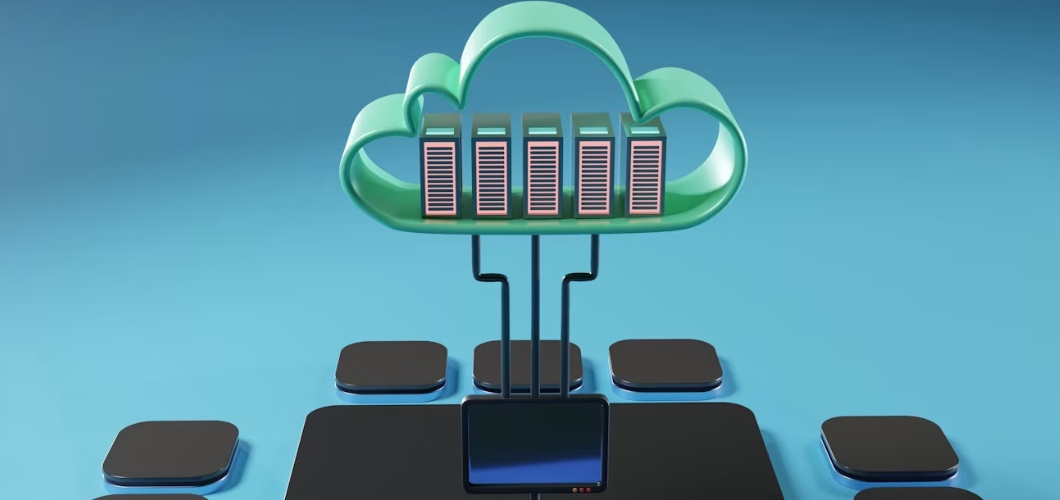
Enterprise technology is no longer built around a handful of isolated applications. Businesses now operate across cloud platforms, SaaS applications, data warehouses, APIs, AI services, legacy systems, and connected devices. Each system may serve a specific purpose, but business processes often depend on information moving between them. This makes cloud integration services a critical layer for creating a connected enterprise.
Also Read: The Generated-Code Problem: What Beginner Web Development Learners Should Check
Why Are Connected Enterprises Harder to Build?
As organizations adopt more cloud applications, technology environments become increasingly distributed. Customer information may sit in a CRM, financial data in an ERP platform, operational information in specialized applications, and analytics workloads across cloud data platforms.
Without effective integration, these systems can create information silos, duplicated data, manual workflows, and delays in decision making. Modern integration connects these environments so information can move where it is needed without forcing every system into the same architecture.
How Are APIs Changing Enterprise Integration?
APIs have become a fundamental building block for connecting modern applications. They allow systems to exchange data and functionality without requiring direct dependencies between applications.
Cloud integration services can manage API connections across SaaS platforms, internal applications, partner ecosystems, and cloud infrastructure. This makes it easier to introduce new applications while maintaining connections with existing systems.
The result is a more modular architecture that can evolve as business requirements change.
Why Does Real Time Data Matter?
Batch based data transfers may not be sufficient for many modern operations. Businesses increasingly need current information to respond to customer activity, supply chain changes, security events, and operational conditions.
Cloud integration services can support event driven architectures that move information as events occur. This allows downstream applications and analytics systems to react faster and helps reduce the gap between an event happening and a business responding to it.
What Role Does AI Play in Cloud Integration?
The rise of AI is adding another dimension to integration. AI applications need access to reliable data from multiple systems, while organizations need secure ways to connect AI services with existing workflows.
Integration platforms can help connect enterprise data sources, AI services, applications, and automation tools. This creates a foundation for intelligent workflows where AI can analyze information, generate insights, and trigger actions across connected systems.
Also Read: Why Faster Web Portal Development Doesn’t Always Create a Better Digital Experience
Conclusion
Cloud integration is shifting from a technical connectivity task into an enterprise architecture capability. As businesses adopt more SaaS platforms, AI agents, APIs, cloud services, and distributed applications, the ability to move data reliably becomes increasingly strategic.
Modern cloud integration services provide the connective layer that allows these technologies to operate as part of one ecosystem. For connected enterprises, that layer can determine how quickly systems communicate, workflows adapt, and new digital capabilities reach production.

Explore Related Posts

Why Beginner Web Development Should Teach Failure States Before Fancy Features
This approach makes beginner web development less about making interfaces look impressive and more about understanding how real systems behave...

The “Who Changed This?” Problem: Building Accountability Into Modern Web Portal Development
Modern web portal development must account for changes that occur across connected systems rather than treating the portal as an...

Why Web Portal Development Must Account for Actions Taken Outside the Portal
Modern web portal development needs mechanisms such as timestamps, event ordering, version checks and clear system ownership to determine which...

Build vs. Buy: In-House API Maintenance vs. Managed Cloud Integration Services
Cloud integration services can reduce API upkeep, but when should you buy instead of build? Explore the trade-offs for IT...

The Generated-Code Problem: What Beginner Web Development Learners Should Check
For beginner web development, learning to use browser developer tools and performance reports can be as valuable as learning another...

Why Faster Web Portal Development Doesn’t Always Create a Better Digital Experience
Faster builds can create experience debt. Great portals emerge when development velocity serves users—not the other way around.

What AI Agents Reveal About the Limits of Traditional Cloud Integration Services
The next generation of cloud integration services will need to connect applications while managing context, orchestration, identity, events and increasingly...

Why Web Portal Development Can No Longer Treat Authentication as a Login Problem
Modern web portal development should build identity, authorization, session controls and access policies into the architecture from the beginning.
Browse by Category
With lots of unique blocks, you can easily build a page without coding.
How Lead Generation can
leverage your B2B Marketing?
Dive into our complete service spectrum for a closer look at what we provide.
Download the Media Kit Download the Media Kit