
What AI Agents Reveal About the Limits of Traditional Cloud Integration Services
The next generation of cloud integration services will need to connect applications while managing context, orchestration, identity, events and increasingly autonomous execution.



AI agents are changing more than how organizations use artificial intelligence. They are changing how software interacts with software. Traditional applications typically follow predefined workflows: a user initiates an action, an application calls an API, data is retrieved and the process continues. AI agents introduce a less predictable pattern. They can decide which tools to use, call multiple systems, react to changing information and initiate subsequent actions.
That shift is exposing limitations in cloud integration services designed primarily around predictable application-to-application communication.
Also Read: Why Web Portal Development Can No Longer Treat Authentication as a Login Problem
The API Was Built for a More Predictable World
APIs remain fundamental to modern web architecture, but many were designed around clearly defined requests and responses. An agent can create a very different workload.
Instead of making one API call to complete a transaction, an agent might retrieve customer information, check inventory, query a pricing service, update a CRM record and trigger another workflow. Each interaction introduces dependencies, authentication requirements and potential failure points.
This makes simple connectivity insufficient. Integration architecture now needs to account for how an AI agent discovers, selects and sequences services, not merely whether those services can communicate.
API Access Is Not the Same as Agent Readiness
An API can be technically accessible while still being difficult for an AI agent to use effectively.
Unclear schemas, inconsistent authentication, poorly defined error responses and limited documentation can make autonomous interactions unreliable. Agents need machine-readable information about available operations, required inputs, permissions and expected outcomes.
That puts greater pressure on API design and governance alongside cloud integration services.
Legacy Systems Become a Bigger Constraint
AI agents do not eliminate legacy applications. In many enterprises, they need to work through them.
The problem is that older systems may rely on batch processing, proprietary interfaces or rigid workflows rather than modern APIs and event streams. An agent operating in real time cannot simply assume that an underlying system can respond at the same speed.
The Integration Layer Needs an Adapter Strategy
Modern architectures increasingly need integration layers that can translate between different interaction models.
An agent might expect an immediate API response, while a legacy platform may only process a request through a scheduled batch job. The integration layer must manage that mismatch, maintain state and communicate meaningful status back to the agent.
This is where cloud integration services need to evolve from simple connectors into orchestration and translation layers.
Real-Time Context Changes the Architecture
Agents are also making stale data more problematic.
An application that makes a decision using yesterday's inventory or an outdated customer record can produce an incorrect result. For autonomous systems, the consequences can compound because one inaccurate decision may trigger several subsequent actions.
Event-driven architecture can help by allowing systems to publish changes as they occur rather than forcing applications to repeatedly poll for updates.
Events Create a Different Integration Model
Instead of asking, “What is the current status?” an application can respond when something changes.
That approach can reduce unnecessary API traffic, improve responsiveness and give agents fresher operational context. However, it also introduces new requirements around event schemas, ordering, retries, duplicate messages and failure recovery.
Governance Becomes Part of Execution
Traditional integration governance often focuses on approved APIs, access policies and system ownership. Agentic applications require governance to extend into runtime behavior.
An agent may have permission to access a system but should not necessarily have unrestricted authority to perform every available action.
Observability Must Follow the Agent
Organizations need visibility into which tools an agent accessed, what data it retrieved, which decisions triggered subsequent calls and where a workflow failed.
This makes tracing across APIs, events, databases and AI services increasingly important. Without that visibility, diagnosing an incorrect autonomous action becomes far harder than troubleshooting a conventional application transaction.
Concluding Statement
AI agents are revealing that connectivity alone is not enough. The next generation of cloud integration services will need to connect applications while managing context, orchestration, identity, events and increasingly autonomous execution.
The bigger lesson is not that traditional integration has become obsolete. It is that integration architectures built for predictable software interactions must now accommodate software capable of making decisions about what to do next.

Explore Related Posts

Why Beginner Web Development Should Teach Failure States Before Fancy Features
This approach makes beginner web development less about making interfaces look impressive and more about understanding how real systems behave...

The “Who Changed This?” Problem: Building Accountability Into Modern Web Portal Development
Modern web portal development must account for changes that occur across connected systems rather than treating the portal as an...

Why Web Portal Development Must Account for Actions Taken Outside the Portal
Modern web portal development needs mechanisms such as timestamps, event ordering, version checks and clear system ownership to determine which...

Build vs. Buy: In-House API Maintenance vs. Managed Cloud Integration Services
Cloud integration services can reduce API upkeep, but when should you buy instead of build? Explore the trade-offs for IT...
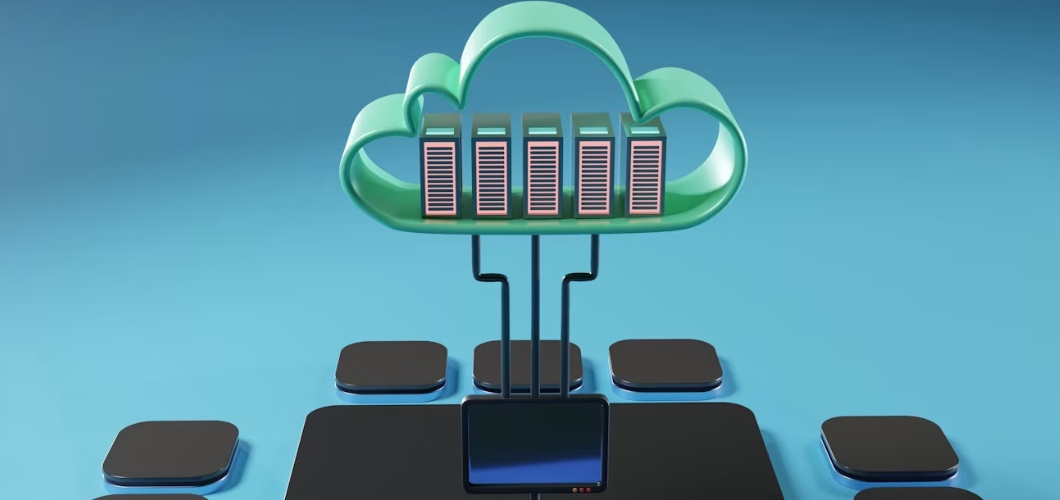
Why Modern Cloud Integration Services Are Becoming the Backbone of Connected Enterprises
Enterprise technology is no longer built around a handful of isolated applications. Businesses now operate across cloud platforms, SaaS applications,...

The Generated-Code Problem: What Beginner Web Development Learners Should Check
For beginner web development, learning to use browser developer tools and performance reports can be as valuable as learning another...

Why Faster Web Portal Development Doesn’t Always Create a Better Digital Experience
Faster builds can create experience debt. Great portals emerge when development velocity serves users—not the other way around.

Why Web Portal Development Can No Longer Treat Authentication as a Login Problem
Modern web portal development should build identity, authorization, session controls and access policies into the architecture from the beginning.
Browse by Category
With lots of unique blocks, you can easily build a page without coding.
How Lead Generation can
leverage your B2B Marketing?
Dive into our complete service spectrum for a closer look at what we provide.
Download the Media Kit Download the Media Kit