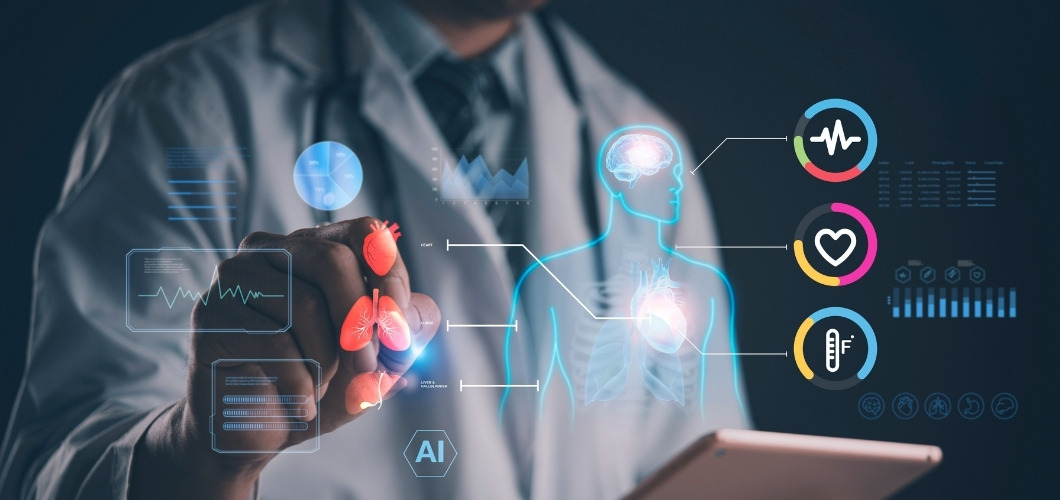

Healthcare organizations are generating more data than ever before. From electronic health records and wearable devices to AI-assisted diagnostics and remote patient monitoring systems, the healthcare industry is becoming increasingly data-driven.
As this volume of information grows, hospitals and healthcare providers are turning to advanced AI data platforms to process, analyze, and manage data more efficiently. These platforms are helping organizations move beyond static reporting and toward real-time, predictive healthcare analytics.
Also Read: Shadow AI in Enterprises: The Next Blind Spot for Cloud Security Solutions
Real-Time Analytics Is Improving Patient Care
One of the biggest advantages of advanced AI data platforms is their ability to process healthcare data in real time. Traditional analytics systems often struggle with fragmented data spread across multiple systems and departments.
Faster Access to Critical Insights
Modern AI-driven platforms can analyze:
- Patient vitals from wearable devices
- Lab reports and diagnostic scans
- Medication histories
- Hospital resource utilization
This allows healthcare professionals to identify potential risks earlier and make faster treatment decisions. Real-time analytics is becoming especially important in emergency care and ICU environments where delays can directly impact patient outcomes.
Predictive Analytics Is Gaining Momentum
Healthcare providers are increasingly using predictive models to identify patients who may be at risk of chronic illness, hospital readmission, or complications after treatment.
By using machine learning algorithms, advanced AI data platforms can detect hidden patterns in patient data and support preventive care strategies rather than reactive treatment approaches.
AI Is Reshaping Operational Efficiency
Healthcare analytics is no longer focused only on patient care. Hospitals are also using AI-driven platforms to improve operational efficiency and reduce administrative burdens.
Smarter Resource Management
Healthcare facilities are using analytics tools to:
- Predict patient admission rates
- Optimize staff scheduling
- Monitor equipment usage
- Reduce supply chain inefficiencies
These insights help organizations allocate resources more effectively while reducing operational costs.
Reducing Data Silos Across Healthcare Systems
One major challenge in healthcare analytics is fragmented data. Patient information is often stored across multiple platforms that do not communicate efficiently with each other.
Advanced AI data platforms are helping healthcare organizations centralize information from different systems, making it easier for doctors, specialists, and administrators to access accurate and consistent data.
Data Governance and Security Are Becoming More Important
As healthcare organizations rely more heavily on AI-driven analytics, concerns around data privacy and compliance are also growing. Healthcare providers must manage sensitive patient information while complying with strict regulatory requirements.
Modern analytics platforms are increasingly integrating:
- Automated compliance monitoring
- Role-based access controls
- Data encryption
- AI-driven anomaly detection
These capabilities help organizations strengthen security while maintaining trust in digital healthcare systems.
The Future of Healthcare Analytics
Healthcare analytics is rapidly evolving from retrospective reporting to predictive and real-time intelligence. The growing adoption of advanced AI data platforms is helping healthcare providers improve patient outcomes, streamline operations, and make faster data-driven decisions.
Concluding Statement
As healthcare becomes increasingly data-driven, advanced AI data platforms are playing a critical role in transforming how providers analyze information, deliver patient care, and manage operations. From predictive analytics to real-time decision-making, these technologies are helping healthcare organizations move toward smarter, faster, and more connected healthcare systems.