
If you’ve ever promised yourself you’d drink more water, sleep earlier, or finally stick to that morning stretch routine, you know how slippery habits can be. We start out full of enthusiasm, lose steam, and then beat ourselves up for not being disciplined enough. But maybe discipline isn’t the issue at all. Maybe the real problem is that we’re trying to build better habits without the right support system, the same kind of smart, interconnected support that IoT in smart cities relies on. Just like those networks depend on content syndication to keep information flowing to the right places at the right time, our habits get stronger when the right cues, tools, and environments work together instead of leaving us on our own.
That’s where the quiet power of the IoT steps in. IoT has been marketed as something futuristic and flashy; homes that predict your mood, fridges that reorder groceries, cars that talk to your thermostat. But beneath all that shine lies something more personal and practical. IoT can act like the steady little nudge we often need to stay on track.
Let’s talk about how connected devices can help us form healthier, calmer, and more consistent routines without feeling like we’re being bossed around by technology.
Why Habits Fail (and How IoT Changes the Game)
Most of us don’t struggle with knowing what to do, but with remembering to do it, feeling ready for it, and keeping at it long enough for it to stick, and the same way a visible water bottle or a yoga mat on the floor nudges our choices, IoT in smart cities does this on a larger scale by offering constant, real-time signals about how people move and what captures their attention, giving marketers the chance to shape account-based strategies with the same quiet precision as setting up a home that supports good habits.
IoT simply adds smarter triggers to your environment.
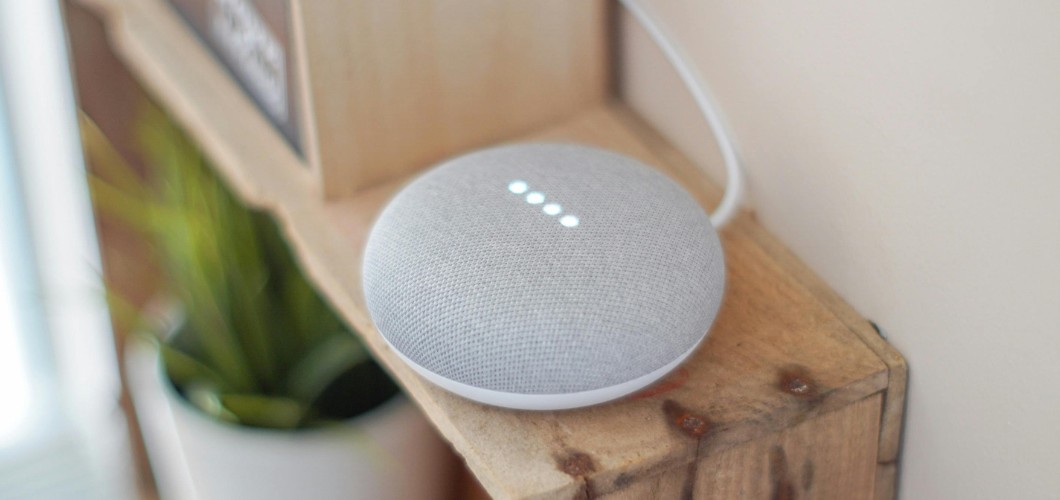
Take something as basic as waking up on time. A sunrise alarm that gradually brightens your room shifts you out of sleep more gently than a noisy ringtone. Pair that with a smart speaker that reminds you to stretch when you step into the living room, and suddenly, your environment is carrying some of the cognitive load for you.
This isn’t about outsourcing your life to machines. It’s about making the things you want to do easier, lighter, and more automatic.
Smart Homes as Habit Coaches
1. Building a Calmer Morning Routine
Morning routines fall apart the moment chaos creeps in. IoT devices step in by creating a smoother flow.
• A smart thermostat warms the room before you get out of bed, which makes waking up less jarring
• Smart lights can brighten gently to mimic sunrise
• A smart speaker can kick off a playlist you love or read out the day’s headlines while you get ready
That’s not just convenience. The fewer jolts you face in the first hour, the easier it is to stick to rituals like mindfulness, journaling, or stretching.
2. Supporting Healthier Eating Habits
The kitchen is where good intentions meet real life, and IoT devices help close that gap by tracking what you have, suggesting meals, and giving you a gentle nudge when you’re running low. The same idea scales up with IoT in smart cities, where constant data flows help businesses spot real patterns instead of relying on guesswork. That insight fuels sharper intent-based marketing, letting brands understand what people actually need; kind of like knowing what’s for dinner before you even open the fridge.
Even smaller tools, like smart scales and app-connected trackers, quietly encourage better choices without making you feel judged.
3. Helping Us Move More
If your daily routine traps you at a desk for hours, IoT can help keep your body in the loop. Wearables like Fitbit, Garmin, or Apple Watch nudge you to stand, stretch, walk, or breathe when you’ve been still for too long. They’re like gentle friends who check in, not drill sergeants issuing commands.
When you pair them with smart home devices, things get even more interesting. It’s where smart homes and smart habits truly come to life. A smart speaker can start a five-minute stretch session when your fitness tracker notices your stress levels rising. Your lights might shift warmer in the evening to signal wind-down time. And the same idea shows up in IoT in smart cities, where connected systems help businesses understand real behavior patterns and turn that insight into stronger, more targeted lead generation.
4. Making Sleep Routines More Reliable
Good sleep isn’t just about going to bed early. It’s about the entire environment around you.
• Smart thermostats lower the temperature right before bedtime
• Smart blinds cut out city lights or glare
• White-noise machines sync with your sleep cycle
• Wearables track sleep patterns and suggest improvements
These tools remove the friction that often derails good sleep hygiene. Instead of forcing yourself to “be better,” your environment gently makes healthy choices feel natural.
Can IoT Make Us Too Dependent?
It’s a fair question. If our homes do everything for us, do we lose the ability to motivate ourselves?
Interestingly, research suggests the opposite. Once a habit is formed, people tend to stick with it even without the tech trigger. IoT in smart cities doesn’t create the habit for you, but it supports the behavior long enough for your brain to rewire itself, which makes it a powerful touchpoint for smarter, more sustained lead generation.
Think of IoT as training wheels. They’re there to help you balance at the beginning. Once the habit stabilises, you naturally rely on them less.
Real Stories of IoT-Boosted Habits
You’ve probably seen this in your own life without realising it.
• If you use a smartwatch to track water intake, you’ve tasted IoT-assisted habit building
• If you have motion-activated lights that help you stick to a bedtime routine, you’re already on this path
• If your vacuum cleans while you’re away and frees up mental space, that too helps create better routines
These aren’t dramatic changes. They’re quiet shifts that make life feel more manageable.
Where IoT Could Take Our Daily Routines Next
The future of IoT isn’t about glamorous gadgets. It’s about meaningful design that supports real life.
Imagine:
• A kitchen that suggests meals based on your nutrition goals
• A home office that automatically adjusts lighting when your posture slumps
• A bathroom mirror that reminds you to take slow breaths before a tense day
• A wardrobe system that recommends outfits based on weather, schedule, and mood
These ideas may sound playful, but they reflect the direction IoT is moving toward tools that respond to our needs with empathy, not complexity.
So, Can IoT Help Us Build Better Habits?
Absolutely. IoT doesn’t replace motivation or discipline. It simply gives our good intentions a better chance of survival.
Building habits is hard because life is noisy, and our brains are overloaded. IoT cuts through that noise. It gives us consistent cues, supportive environments, and gentle reminders that align with the routines we want to stick with, turning smart homes into smart habits and even shaping how IoT in smart cities supports healthier daily living on a larger scale.
You don’t need a home full of expensive gadgets to start. Even one smart device can nudge your day in a healthier direction.
In the end, the smartest part of a smart home isn’t the technology. It’s how that technology helps you feel more grounded, more organised, and more in control of your own life.
Also read: From the Living Room to the Kitchen: How Samsung Is Building Safer Smart Homes