
The Thirsty Cloud: Water Risks in Enterprise Cloud Computing
In 2026, the rapid expansion of enterprise cloud computing faces a reckoning as the industry shifts its focus from carbon emissions to the growing freshwater crisis. While businesses have historically prioritized sustainability goals, the massive heat generated by servers and data centers now requires the consumption of millions of gallons of water for cooling every


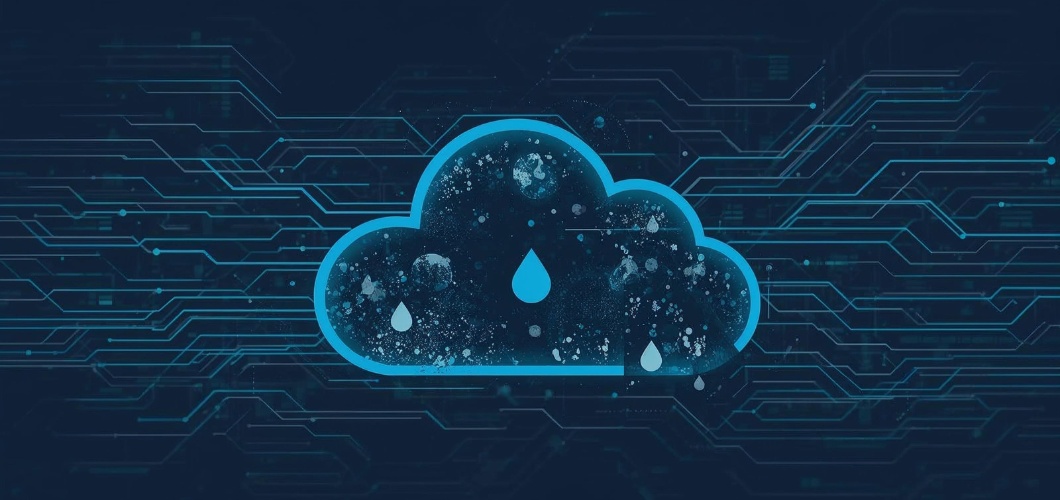
In 2026, the rapid expansion of enterprise cloud computing faces a reckoning as the industry shifts its focus from carbon emissions to the growing freshwater crisis. While businesses have historically prioritized sustainability goals, the massive heat generated by servers and data centers now requires the consumption of millions of gallons of water for cooling every year.
While businesses aggressively pursue net-zero carbon goals, a water crisis is emerging in the data center industry. Massive server farms, the backbone of enterprise cloud computing, generate immense heat. To keep these systems from melting down, operators pump billions of gallons of water through cooling towers every year. For IT leaders and eco-conscious consumers alike, understanding this "hidden" cost is the first step toward a truly sustainable digital future.
The Hidden Cost of Data Centers
We rarely associate our emails, streaming habits, or business analytics with drought. Yet the physical infrastructure supporting enterprise cloud computing is one of the world’s growing consumers of freshwater.
Data centers operate on a metric known as Water Usage Effectiveness (WUE). Ideally, this number should be zero, meaning no water evaporates during cooling. However, the industry average hovers significantly higher. In 2026, hyperscale facilities in drought-prone regions, such as Arizona or parts of Northern Europe, frequently compete with local agriculture and residential communities for water access.
The problem intensifies with the boom in Generative AI. AI processors run much hotter than traditional servers. As companies upgrade their enterprise cloud computing stacks to support machine learning, the demand for liquid cooling rises. A mid-sized data center can now consume as much water daily as a town of 10,000 people. This shift forces a tough conversation: Is our digital convenience worth our physical resources?
From Carbon-Neutral to Water-Positive
Fortunately, the industry is not standing still. A fresh wave of "water-positive" initiatives is transforming enterprise cloud computing. Tech giants are currently re-engineering their facilities to return more water to the watershed than they consume.
Innovations driving this change include:
- Liquid Immersion Cooling: Submerging servers in non-conductive fluids that absorb heat more efficiently than air, decimating water waste.
- Wastewater Recycling: Using treated municipal wastewater for cooling towers instead of drinking-quality freshwater.
- AI-Driven Cooling: Using the very AI that creates the heat to optimize cooling systems, ensuring fans and pumps run only when strictly necessary.
Finding the Right Sustainable Partners
Navigating this green landscape requires precision. How do businesses identify providers that prioritize water sustainability? This is where data-driven strategies become essential. Modern procurement teams often rely on Intent-Based Marketing to identify vendors who align with their specific sustainability values (ESG goals).
By analyzing search behaviors and content consumption, intent data connects buyers actively seeking "green” enterprise cloud computing solutions with the forward-thinking providers who offer them. It ensures that companies don't just find a vendor but a partner who matches their environmental commitment.
The Future of Enterprise Cloud Computing
The era of infinite, cost-free resources is over. As water scarcity becomes a defining challenge of the late 2020s, the tech sector must adapt. We will probably see "water footprint" labels on digital services, like nutritional facts on food.
For now, the responsibility lies with both providers and consumers. Providers must innovate, and consumers must advocate. Enterprise cloud computing powers our modern economy, but it must learn to coexist with our planet's most precious resource.
Conclusion
By shifting focus from purely carbon metrics to holistic water management, businesses can build a resilient digital infrastructure that survives the challenges of tomorrow. Whether you are an IT decision-maker or an everyday user, your choices drive this market. By advocating for water-efficient innovations and responsible infrastructure, stakeholders can ensure that enterprise cloud computing evolves into a truly sustainable foundation for the global economy.

Explore Related Posts

Cloud Integration Services In A Multi-Cloud World: Solving The Fragmentation Problem
Organizations adopt multiple cloud platforms to avoid vendor lock-in, meet regulatory needs, and optimize costs. Over time, this strategy introduces...

Shadow AI in Enterprises: The Next Blind Spot for Cloud Security Solutions
Enterprise cloud estates now support rapid experimentation with generative models, inference APIs, and agent frameworks. This shift introduces Shadow AI,...

Secure Cloud Computing on a Small Business Budget
Here is a reality that keeps many small business owners up at night: a single cloud misconfiguration can expose customer...

AI-Native Enterprise Cloud Platforms: Building GenAI-Ready Infrastructure
Enterprise interest in Generative AI has moved beyond experimentation. CIOs and platform engineering leaders now evaluate infrastructure capable of supporting...

Enterprise Cloud Computing in a Hybrid World: Architectures That Actually Scale
Enterprise cloud computing strategies for hybrid environments that scale securely, intelligently, and sustainably in an AI-driven world.

Observability, Automation, and Control: The New Requirements for Enterprise Cloud Platforms
Modern enterprise cloud platforms demand observability, automation, and control to deliver resilience, governance, and scalability.

The Role of Cloud Computing Services in Enabling Hybrid Work Environments
Cloud computing services are transforming hybrid work by enabling seamless access, real-time collaboration, and enhanced security across distributed teams. Explore...
How Cloud Infrastructure Services Reduce Risk During Migration
Migrating to the cloud is no longer an option — it’s a business necessity. Enterprises across industries are embracing cloud...
Browse by Category
With lots of unique blocks, you can easily build a page without coding.
How Lead Generation can
leverage your B2B Marketing?
Dive into our complete service spectrum for a closer look at what we provide.
Download the Media Kit Download the Media Kit